





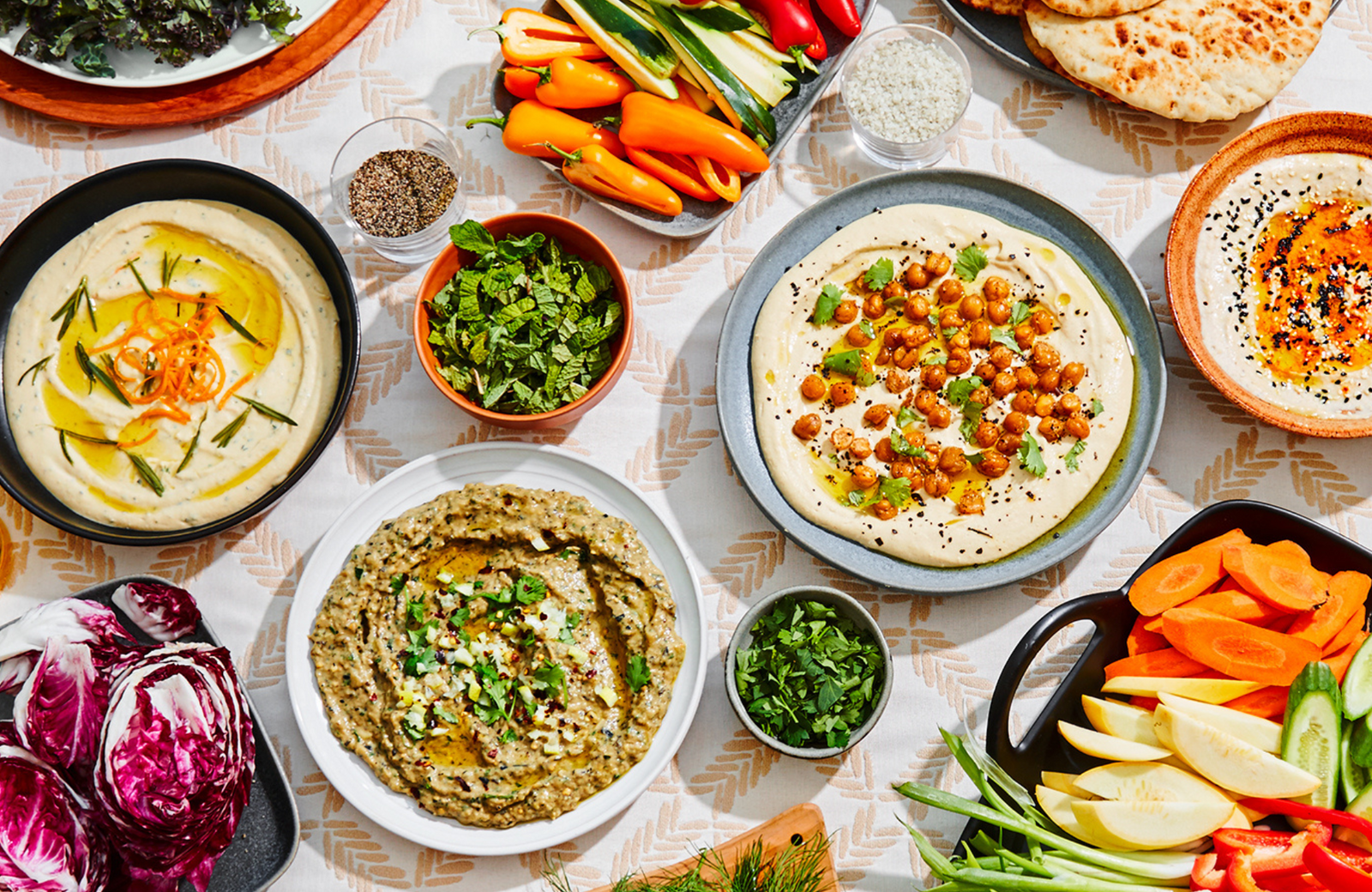
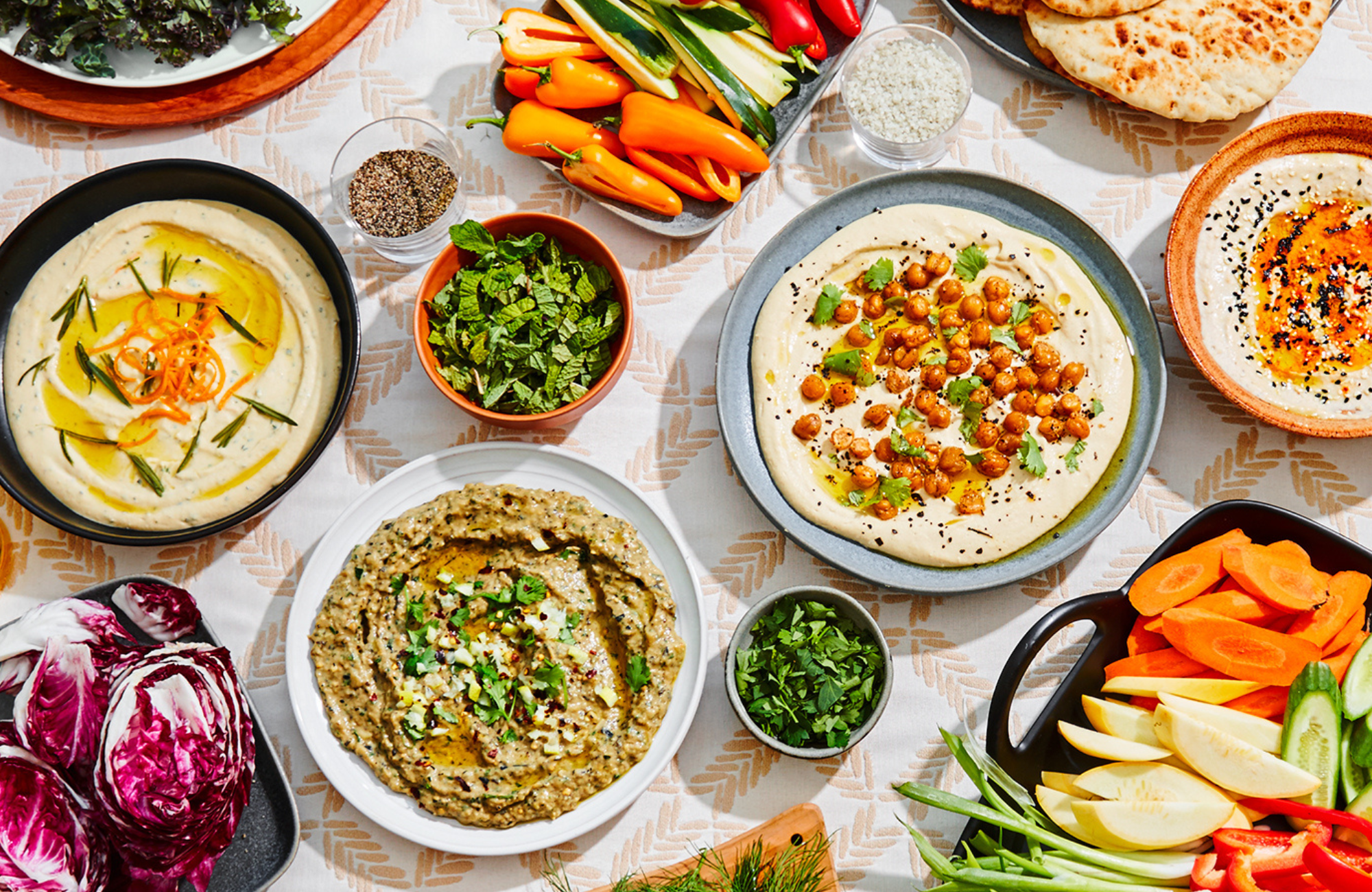




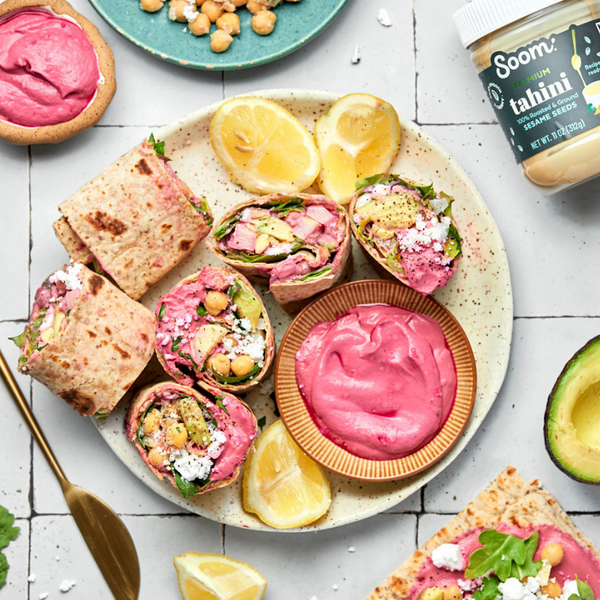
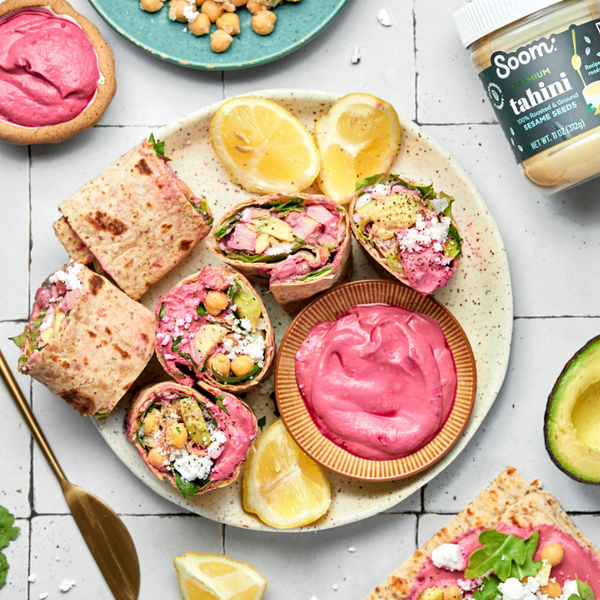








To put it simply: yes, tahini is good for you.Made from roasted and ground sesame seeds, tahini delivers plant-based protein, mostly unsaturated fats, and minerals including copper, iron, calcium, magnesium, and zinc. It’s creamy, satisfying, and versatile enough to move from hummus and salad dressing to smoothies, brownies, and breakfast bowls.
Tahini packs plenty of nutrition, and even more possibilities(!), into every silky-smooth spoonful used for everything from breakfast to lunch to desserts.
What Is Tahini?
Tahini is a creamy paste made from ground sesame seeds. Think of it as sesame seed butter: rich, mildly nutty, and ready to add flavor and creaminess to sweet or savory recipes.
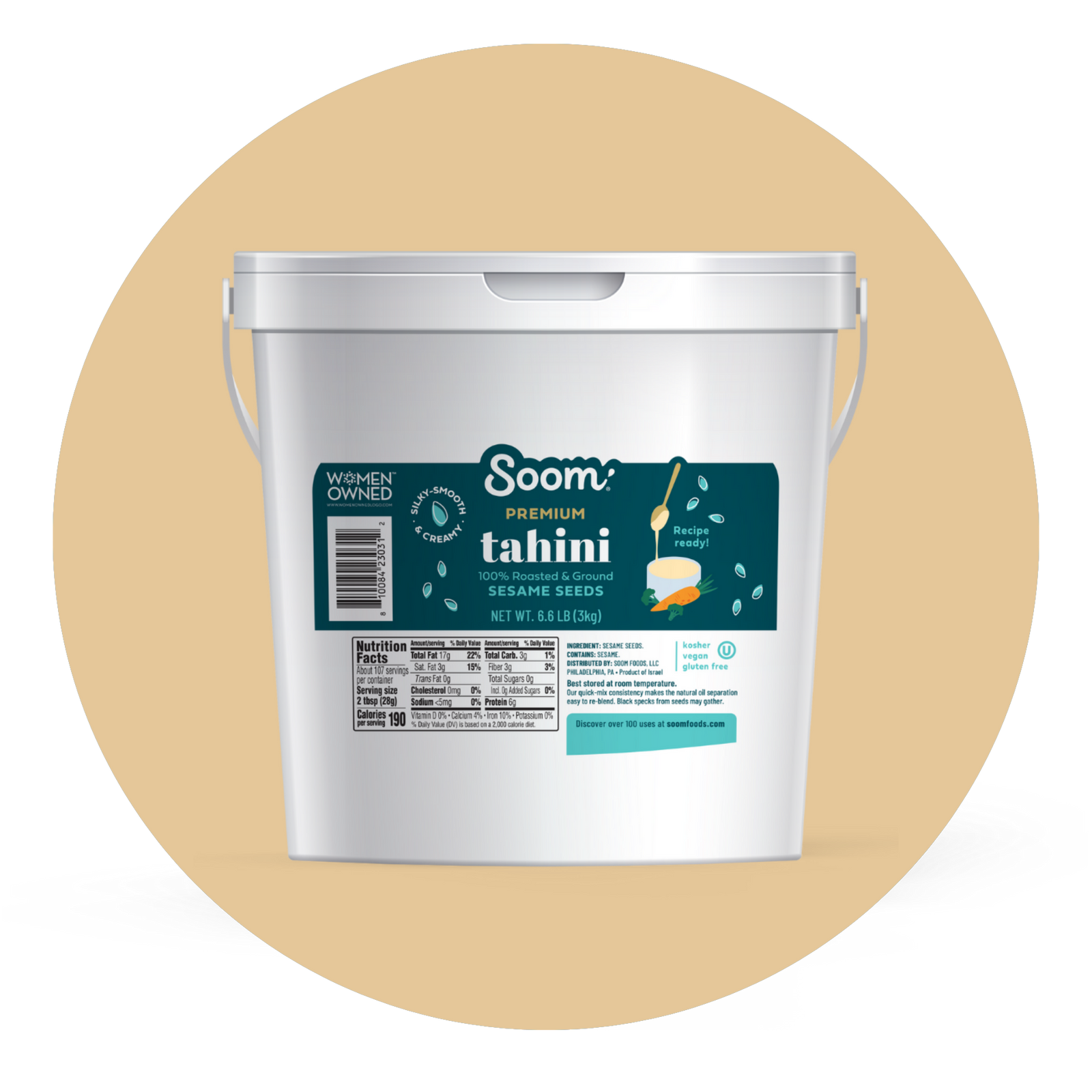
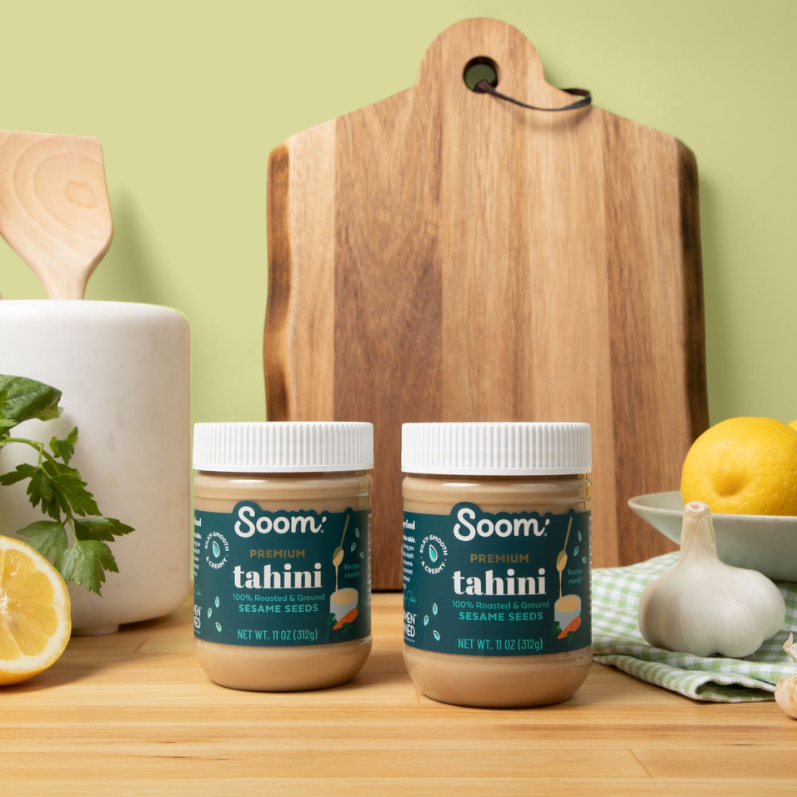
Soom Premium Tahini is from one ingredient: roasted and pressed premium Ethiopian sesame seeds, and provides 6 grams of plant-based protein per two-tablespoon serving.
Tahini Nutrition Facts
According to USDA reference data, one tablespoon of roasted tahini contains approximately:
- 90 calories
- 2.6 grams of protein
- 8 grams of fat
- 1.4 grams of fiber
- 64 milligrams of calcium
- 1.3 milligrams of iron
- 0.24 milligrams of copper
- 14 milligrams of magnesium
- 0.69 milligrams of zinc
- 5.2 micrograms of selenium
Exact nutrition varies by brand, seed variety, processing method, and serving size, so always check the Nutrition Facts panel on your jar.
What Are the Health Benefits of Tahini?
1. It provides plant-based protein
Tahini is an easy way to work more plant protein into meals and snacks. A two-tablespoon serving of Soom Tahini provides 6 grams of plant-based protein.
Blend it into a smoothie, drizzle it over yogurt or oatmeal, whisk it into a dressing, or add it to energy bites for a simple protein boost. Tahini may be made from the humble sesame seed, but it knows how to pull its weight.
2. It contains mostly unsaturated fats
Tahini is rich in monounsaturated and polyunsaturated fats. These are the types of fats the American Heart Association recommends choosing in place of foods higher in saturated and trans fats.
That distinction matters: replacing saturated fats with unsaturated fats can help lower LDL cholesterol and support a heart-healthy eating pattern. Tahini also adds creamy richness without dairy, making it a particularly useful base for sauces, dressings, soups, and dips.
Tahini is still calorie-dense, so a little goes a long way, which is convenient, considering how much flavor it brings to the table!
3. It delivers several essential minerals
That tiny sesame seed has range. Tahini contains several minerals your body uses every day:
- Copper supports energy production and helps your body form connective tissue and blood vessels.
- Iron helps produce hemoglobin, the protein that carries oxygen through your blood.
- Calcium helps build and maintain bones while supporting normal muscle and nerve function.
- Magnesium plays a role in muscle and nerve function, blood sugar regulation, and energy production.
- Zinc supports normal immune function and wound healing.
The iron in tahini is nonheme iron, the type found in plant foods. Your body absorbs it more efficiently when it’s paired with vitamin C. Conveniently, lemon and tahini happen to taste very good together. Consider that your sign to make a lemony tahini sauce.
4. Sesame contains naturally occurring plant compounds
Sesame seeds contain lignans and other naturally occurring plant compounds that researchers are studying for their antioxidant and cardiometabolic effects.
Recent research has found promising associations between sesame consumption and certain markers related to blood sugar, inflammation, and cholesterol. However, many studies have been small, short, or focused on specific populations. Another recent evidence review rated the certainty behind several cardiovascular findings as very low.
The honest takeaway: sesame is a nutritious food worth enjoying, but current research does not prove that tahini prevents or treats heart disease, inflammation, diabetes, or cancer.
We’ll stick with what tahini has already proven beyond a doubt: it makes vegetables much more exciting.
Is Tahini High in Fat?
Tahini is relatively high in fat, but most of that fat is unsaturated. Fat isn’t automatically a bad thing—it provides energy, helps the body absorb certain vitamins, and contributes to tahini’s satisfyingly creamy texture.
The bigger picture matters more than labeling one nutrient “good” or “bad.” Enjoy tahini as part of an overall eating pattern that includes fruits, vegetables, whole grains, legumes, and other nutrient-rich foods.
Is Tahini a Good Source of Calcium and Iron?
Tahini contains both calcium and iron, but the amount varies depending on the sesame seeds and how they are processed. It can contribute to your daily intake, especially in plant-forward diets, but it shouldn’t be presented as a replacement for all other calcium- or iron-rich foods.
For more of both minerals, pair tahini with foods like leafy greens, beans, lentils, tofu, whole grains, or calcium-fortified foods.
Is Tahini Vegan, Dairy-Free, or Nut-Free?
Soom tahini is naturally vegan, dairy-free, gluten-free, and nut-free because it is made from sesame seeds, and our facilities do not process tree nuts or peanuts.
However, sesame itself is one of the nine major food allergens recognized by the FDA. Anyone with a sesame allergy should avoid tahini and carefully check ingredient and allergen statements.
Can You Eat Tahini Every Day?
For most people without a sesame allergy, tahini can absolutely be part of an everyday diet! There is no official amount you need to eat to receive a specific health benefit. Start with a spoonful or two and use it wherever your meals could use more flavor, richness, or creaminess.
Here are a few easy places to start:
- Whisk it with lemon juice and water for a silky tahini sauce.
- Blend it into smoothies for plant protein and creamy texture.
- Drizzle it over roasted vegetables, grain bowls, or avocado toast.
- Stir it into oatmeal, yogurt, or chia pudding.
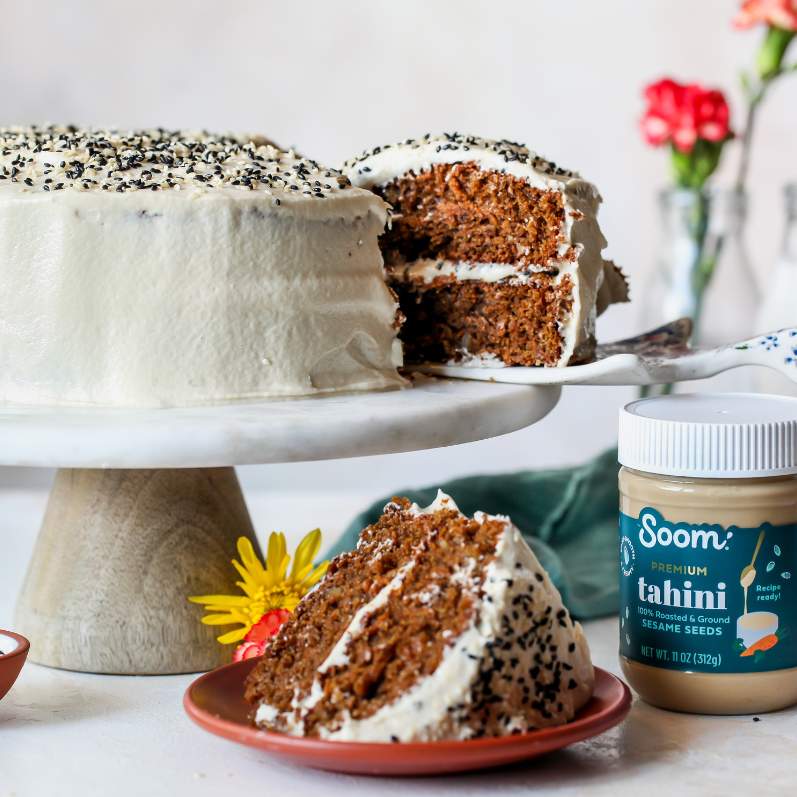
- Swirl it into brownies, cookies, or banana bread.
- Make hummus—it's a classic for a reason!
The Bottom Line: Tahini Is Nutritious and Ridiculously Versatile
Tahini provides plant-based protein, unsaturated fats, and essential minerals in one rich, creamy ingredient. It isn’t a miracle food, and it doesn’t need to be. Its real superpower is making nutritious food taste so good that you actually want to keep eating it.
From hummus to brownies, everything tastes better with Soom tahini!
This information was provided to Soom Foods by Marisa Urda, RD, LD andJessica Bippen,MS, RD. (founder ofNourished by Nutrition, @nourishedbynutrition). None of the information contained above is meant to replace medical advice from your personal doctor.
Sources:
- USDA FoodData Central: Tahini from roasted and toasted sesame kernels
- American Heart Association: Fats in Foods
- NIH Office of Dietary Supplements: Copper
- NIH Office of Dietary Supplements: Calcium
- NIH Office of Dietary Supplements: Iron
- NIH Office of Dietary Supplements: Magnesium
- Clinical evidence of sesame products and bioactive compounds in humans
- Sesame and cardiovascular risk factors: GRADE-assessed review
- FDA: Sesame Is the Ninth Major Food Allergen



Leave a comment (all fields required)